
Your abuela cooked her Dominican habichuelas guisadas with a bone in the pot.
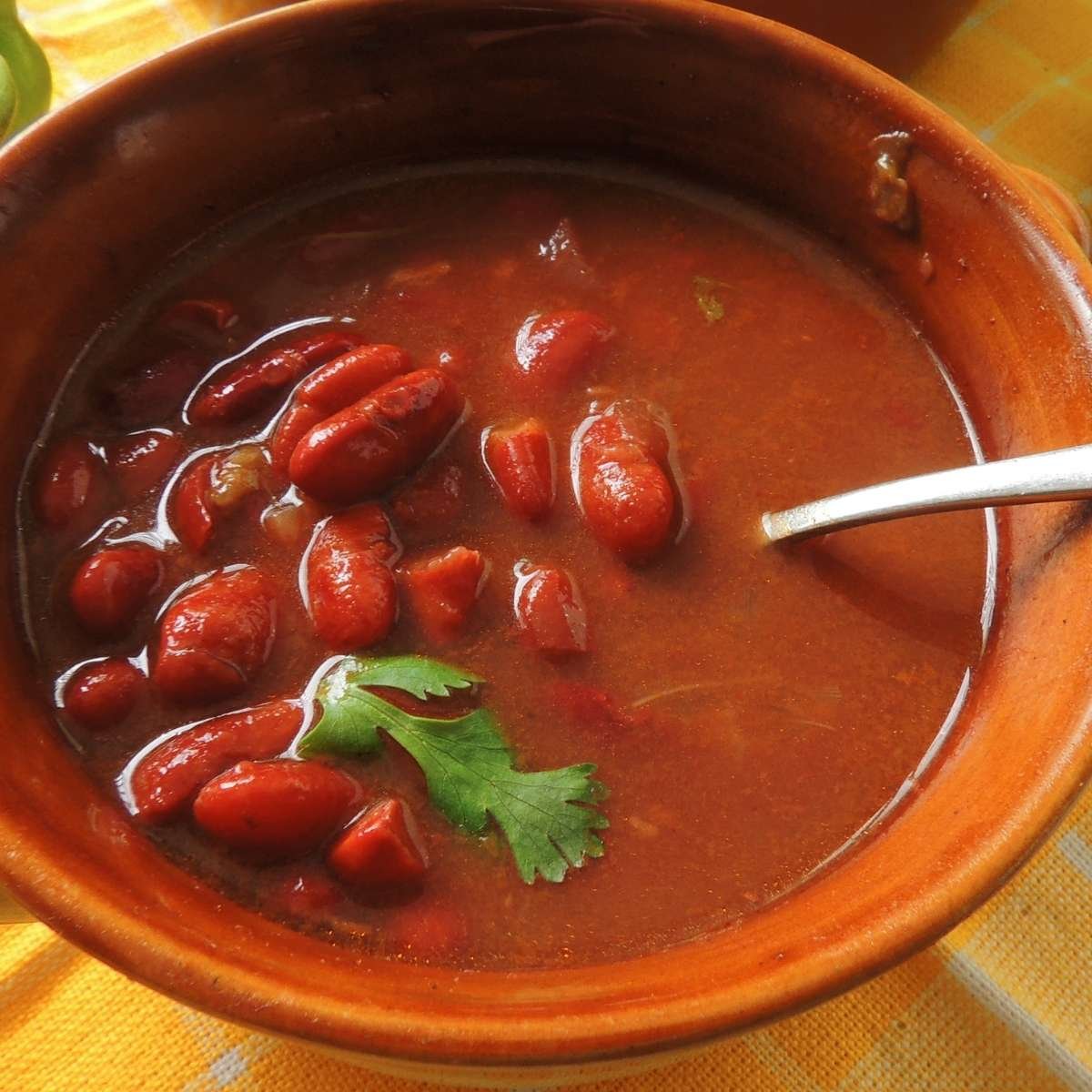
Not because she knew about collagen. Not because she had read anything about bone broth or amino acid profiles or complete proteins. Because her mother did it that way, and the stew came out richer, thicker, and more satisfying every single time. She was right. The bone was the protein. The bone was the medicine. The bone was the reason the same beans tasted like Sunday at her house and like Tuesday everywhere else.
This high-protein Dominican habichuelas guisadas recipe keeps everything that made her version great. The sofrito base. The Dominican oregano. The slow simmer. The piece of calabaza that dissolves into the broth. The patience. And it adds two upgrades that move the protein number from 18 grams per serving (already respectable for a bean stew) to 35 grams per serving (powerhouse territory for anyone, but especially for women over 45 who are trying to eat for muscle).
The upgrades are simple. Smoked ham hock instead of bacon or salami. Homemade bone broth instead of plain water. Both of these are things your grandmother probably already did, even if nobody wrote down the macros.
Table of Contents
Why This High-Protein Habichuelas Recipe Works
The original Dominican habichuelas guisadas is not a low-protein dish. With beans alone, you are already at 13 to 18 grams of protein per serving. That is more than most “healthy” Western sides. But for women over 45, who need 1.2 to 1.6 grams of protein per kilogram of body weight every day, 18 grams per serving is good, not great. We needed great.
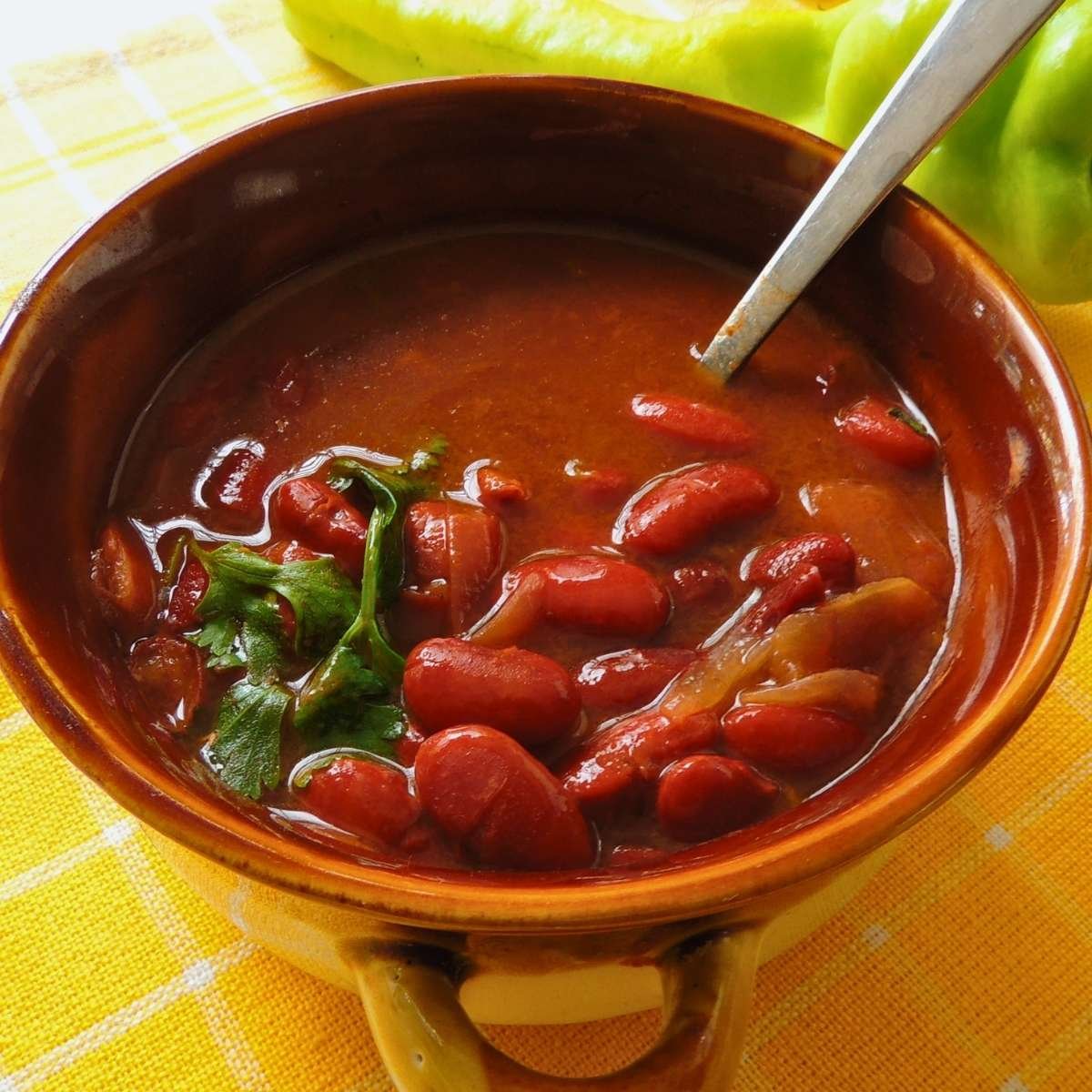
Three changes get us to 35 grams per serving:
- A smoked ham hock simmered in the pot for 40 minutes. The hock releases roughly 20 grams of protein per serving plus the deep, smoky flavor that nobody else can fake. The collagen in the bone gives the broth body that no thickener replicates. If you have ever had habichuelas at a Dominican abuela’s house and wondered why yours never tasted the same, this is the missing piece.
- Homemade bone broth instead of water. Even before the ham hock joins the pot, the cooking liquid is doing real work. Bone broth adds 8 grams of protein per cup, plus glycine, proline, and the amino acids that support gut and joint health after 45. Read more about why protein matters after 45.
- The sofrito does what only sofrito can do. The brick-red, slow-bloomed sofrito is where the depth comes from. Use my homemade sofrito recipe and cook it for 8 to 10 full minutes until it darkens. Do not rush this step. Every minute matters.
The result is a one-pot dish that delivers 35 grams of protein, 10 grams of fiber, and roughly 310 calories per serving. Pair it with high-protein rice for a complete bandera that lands at 52 grams of protein per meal. That is one bowl. That is dinner.
Nutritionist Note from Gaila
As an AFPA Certified Holistic Nutritionist and a Dominican woman who grew up at the bean pot, I want to name something that does not get said often enough: the traditional Dominican plate has always been a complete protein plate. It was just hiding in plain sight.
Beans are low in the amino acid methionine but rich in lysine. Pork (and rice) is low in lysine but rich in methionine. When you eat habichuelas with rice and a small piece of pork, your body receives every one of the 9 essential amino acids it cannot produce on its own. This is what nutritionists call protein complementation, and it is the basis of nearly every great food culture: rice and beans in the Caribbean, beans and tortillas in Mexico, lentils and rice in India, hummus and pita in the Middle East.
Western nutrition spent the 1970s and 1980s telling people they needed to combine these proteins in the same meal. Then in the 1990s the consensus shifted: the body can pool amino acids across the day, so the timing is less critical than the total intake. Both pieces are true. But the point I want you to walk away with is this: our food was already doing the work. We just did not have the language to describe it.
This recipe is what happens when you take a dish your great-grandmother made instinctively and give it the math.
Ingredients (Serves 4)
The Protein Anchors
- 1 large smoked ham hock (about 1.5 lbs)
- 2 cans (15 oz each) red kidney beans, drained and rinsed
- 3 cups homemade chicken or pork bone broth (or low-sodium store-bought)
The Sofrito Base
- 1/2 cup homemade Dominican sofrito
- 2 tablespoons tomato paste
- 1 tablespoon extra virgin olive oil
The Body
- 1 cup diced calabaza (Dominican pumpkin) or butternut squash
- 1 sprig culantro (recao) or 2 tablespoons fresh cilantro
- 1 bay leaf
- 1 teaspoon Dominican oregano
The Finish
- Sea salt and black pepper to taste
- Fresh cilantro and lime for serving
How to Make High-Protein Habichuelas Guisadas (Step by Step)
Time: 50 minutes total. 10 minutes active.
- Sear the ham hock. Heat olive oil in a heavy caldero or Dutch oven over medium-high heat. Add the ham hock and brown on all sides, about 5 minutes total. Remove and set aside.
- Bloom the sofrito. Reduce heat to medium. Add the sofrito and tomato paste to the same pot. Cook, stirring constantly, until the mixture darkens significantly and the raw smell of garlic is gone, 8 to 10 minutes. This is the step nobody can skip. Every minute matters.
- Return the ham hock. Place the seared ham hock back in the pot. Pour in the bone broth. Add the bay leaf, oregano, and culantro stems.
- Simmer. Bring to a gentle boil, then reduce to low. Partially cover and simmer for 25 minutes, until the ham hock is tender enough to pull apart easily.
- Add beans and calabaza. Stir in the kidney beans and diced calabaza. Continue simmering 15 to 20 more minutes, until the calabaza has dissolved into the broth and the beans have absorbed the flavor.
- Shred and return. Remove the ham hock to a cutting board. Pull off the meat, shred or chop it, and return it to the pot. Discard the bone and skin (or save the bone for your next batch of bone broth).
- Finish. Taste and adjust salt and pepper. Remove the bay leaf and culantro stem. Serve immediately, garnished with fresh cilantro and a squeeze of lime.
That is it. One pot. Real Dominican habichuelas, with 35 grams of protein your abuela would approve of.
Dominican Habichuelas Guisadas: High-Protein Heritage Recipe (35g Protein)
Ingredients
The Protein Anchors
- 1 large smoked ham hock about 1.5 lbs
- 2 cans 15 oz each red kidney beans, drained and rinsed
- 3 cups homemade chicken or pork bone broth or low-sodium store-bought
The Sofrito Base
- 1/2 cup homemade sofrito
- 2 tablespoons tomato paste
- 1 tablespoon extra virgin olive oil
The Body
- 1 cup diced auyama Dominican pumpkin or butternut squash
- 1 sprig culantro recao or 2 tablespoons fresh cilantro
- 1 bay leaf
- 1 teaspoon Dominican oregano
The Finish
- Sea salt and black pepper to taste
- Fresh cilantro and lime for serving
Instructions
- Sear the ham hock. Heat olive oil in a heavy caldero or Dutch oven over medium-high heat. Add the ham hock and brown on all sides, about 5 minutes total. Remove and set aside.
- Bloom the sofrito. Reduce heat to medium. Add the sofrito and tomato paste to the same pot. Cook, stirring constantly, until the mixture darkens significantly and the raw smell of garlic is gone, 8 to 10 minutes. This is the step nobody can skip. Every minute matters.
- Return the ham hock. Place the seared ham hock back in the pot. Pour in the bone broth. Add the bay leaf, oregano, and culantro stems.
- Simmer. Bring to a gentle boil, then reduce to low. Partially cover and simmer for 25 minutes, until the ham hock is tender enough to pull apart easily.
- Add beans and calabaza. Stir in the kidney beans and diced calabaza. Continue simmering 15 to 20 more minutes, until the calabaza has dissolved into the broth and the beans have absorbed the flavor.
- Shred and return. Remove the ham hock to a cutting board. Pull off the meat, shred or chop it, and return it to the pot. Discard the bone and skin (or save the bone for your next batch of bone broth).
- Finish. Taste and adjust salt and pepper. Remove the bay leaf and culantro stem. Serve immediately, garnished with fresh cilantro and a squeeze of lime.
Nutrition
The Gas Section (Yes, We Are Talking About It)
If you have ever felt bloated or gassy after eating beans, you are not alone, and there is nothing wrong with you. Beans contain compounds called oligosaccharides that some digestive systems struggle to break down. Here is how the traditional Dominican kitchen already solved this problem decades before anyone was talking about gut health.
Long simmer with sofrito. The 40-minute simmer breaks down most of the oligosaccharides before they reach your gut. Quick-cooked or canned beans rinsed and used immediately are harder to digest than beans cooked low and slow with aromatics.
Cumin and oregano in the pot. Both are carminative herbs, meaning they actively reduce gas formation in the gut. Dominican oregano is one of the strongest. Cumin works similarly.
The bay leaf. Not just for flavor. Bay leaf contains compounds that aid bean digestion. Use it every single time.
Bone broth instead of water. The collagen and gelatin in homemade bone broth help heal and protect the gut lining, making the whole meal easier to tolerate.
Avoid eating beans alone. Pair them with rice, with avocado, with a protein. Your grandmother was right about the bandera.
If you have ongoing digestive issues with legumes despite all of this, try soaking dried beans overnight with a piece of kombu (a Japanese seaweed available at health food stores or Asian markets). The kombu adds enzymes that break down the gas-causing compounds further.
Smart Swaps (Make This Recipe Work for Your Body)
For Pork-Free Kitchens: Replace the smoked ham hock with 1 smoked turkey leg or 6 oz of chicken thighs simmered in the pot. Protein drops slightly to 30 grams per serving but stays in powerhouse range. Add 1 extra tablespoon of smoked paprika to recover the smoky flavor.
For Bariatric Patients:
- Pureed phase: Blend the entire stew with extra broth until smooth. Beans pureed with bone broth are one of the most nutrient-dense pureed foods available. Strain if needed.
- Soft foods phase: Use a potato masher to break down the beans and calabaza further. Serve in small portions, 1/2 cup at a time.
- General phase: The recipe as written is appropriate. Start with 3/4 cup and assess fullness.
- Maintenance: Full serving fine. Pair with a small portion of rice for a complete bandera.
For Dumping Syndrome: The high protein and high fiber content makes this dish remarkably blood-sugar-stable. Red kidney beans have a glycemic index of approximately 24, one of the lowest of any carbohydrate source. Eat slowly and chew thoroughly.
For Lower Sodium: Use no-salt-added beans, no-salt-added bone broth, and rinse the ham hock under running water for 60 seconds before searing to remove excess surface salt. This reduces sodium per serving by roughly 35 percent.
For Higher Protein Boost (40g per serving): Stir in 1 scoop of unflavored collagen peptides during the final simmer. Invisible in the finished broth, adds 9 grams of protein.
For Vegetarian: Skip the ham hock. Use vegetable bone broth or rich mushroom broth. Add 1/2 cup of red lentils with the beans. Protein lands around 20 grams per serving. Top with a dollop of Greek yogurt for an extra 5 grams.
How to Store and Reheat
Refrigerate in a sealed container for up to 4 days. The flavor deepens significantly overnight, the second day is genuinely better than the first.
Freeze in single-serving containers for up to 3 months. Thaw overnight in the refrigerator and reheat in a covered pot with a splash of broth or water over low heat, stirring occasionally.
Make-ahead bonus: This recipe is built for meal prep Sunday. Make a triple batch, portion into containers, and you have lunch or dinner for the week. Pair with high-protein rice prepped the same day and you have a complete bandera that holds up beautifully in the fridge.
What to Serve With Habichuelas Guisadas
The classic Dominican plate:
- High-Protein Rice (17g) – the bandera lands at 52 grams of protein when paired
- Low-Carb Pollo Guisado – the classic chicken stew on the side
- Aguacate slices and a squeeze of lime
- Ensalada verde dominicana (lettuce, tomato, red onion, naranja agria vinaigrette)
This is not a side dish. This is the anchor of the meal.
FAQ
How is it possible to get 35 grams of protein in habichuelas?
The combination of the smoked ham hock (about 20g per serving), the red kidney beans (about 14g per serving), and the bone broth (about 1g per serving) adds up to 35g protein per serving. Each component pulls its weight. This is also why the recipe is considered a “complete protein” by nutritional standards: it combines lysine-rich legume protein with methionine-rich animal protein in a single bowl.
Can I use dried beans instead of canned?
Yes. Soak 1 cup of dried red kidney beans overnight in cold water, then drain. Add to the pot with the bone broth and simmer 75 minutes before adding the calabaza. The texture is slightly better with dried beans, but canned beans deliver 95 percent of the flavor in 1/3 of the time.
What is calabaza and where do I find it?
Calabaza is West Indian pumpkin, a staple in Dominican, Puerto Rican, and Cuban cooking. Look for it at any Latin grocery store, typically sold in wedges by weight. Butternut squash is a reliable substitute with similar sweetness and texture.
Is this recipe bariatric-friendly?
Yes, with phase-appropriate modifications. The combination of well-cooked beans, soft vegetables, and protein is gentle on the digestive system. See the Smart Swaps section above for phase-by-phase guidance.
Can I make this in a pressure cooker or Instant Pot?
Yes. Sear the ham hock on Sauté mode, bloom the sofrito for the full 8 to 10 minutes (do not skip this), then add everything else and pressure cook on high for 30 minutes. Natural release 15 minutes. The flavor is slightly less developed than the stovetop version but the macros are identical.
How long do habichuelas guisadas last in the fridge?
Four days in a sealed container. The flavor improves overnight, so save some for tomorrow. Five days is safe if your refrigerator runs cold (below 38F).
Can I double the recipe?
Yes, easily. Use a 6-quart or larger Dutch oven. Add 5 more minutes to the simmer time to account for the larger volume. This is meal prep gold.
Reader Review
“Gaila, I made this on Sunday and my husband asked why my habichuelas suddenly tasted like his mother’s. The ham hock. That was the missing piece all along.”
- Yanira F., Sazón Club member
This is the kind of Dominican recipe my Dominican High-Protein Recipe Guide is built on. 28 recipes that take what abuela was already doing and give it the macro math she never had. Real food. Real protein. Real Dominican.
Con Fuerza y Sazón,
Gaila
AFPA Certified Holistic Nutritionist · Dominican Cook · Bariatric Patient
Es muy valioso este sitio web porque presenta una serie de recetas tanto internacionales como nacionales de fácil ejecucion y con materiales comunes, me encanta, ademas de que incursiona en la comida francesa, marroquí, española y dominicana entre otras. Me encanta, felicidades.
Gracias!! Ma! me encanta que te guste! 🙂
Hello Gaila, it’s been ages since I last ate quail eggs. This dish of yours made me want to have these little beauties again. I adore the flavour combination of tomatoes with eggs. Pictures are fantastic too, show the essence of the dish!
Hi Georgina! yes these little beauties are delicious! I really love eggs and there are just amazing!