
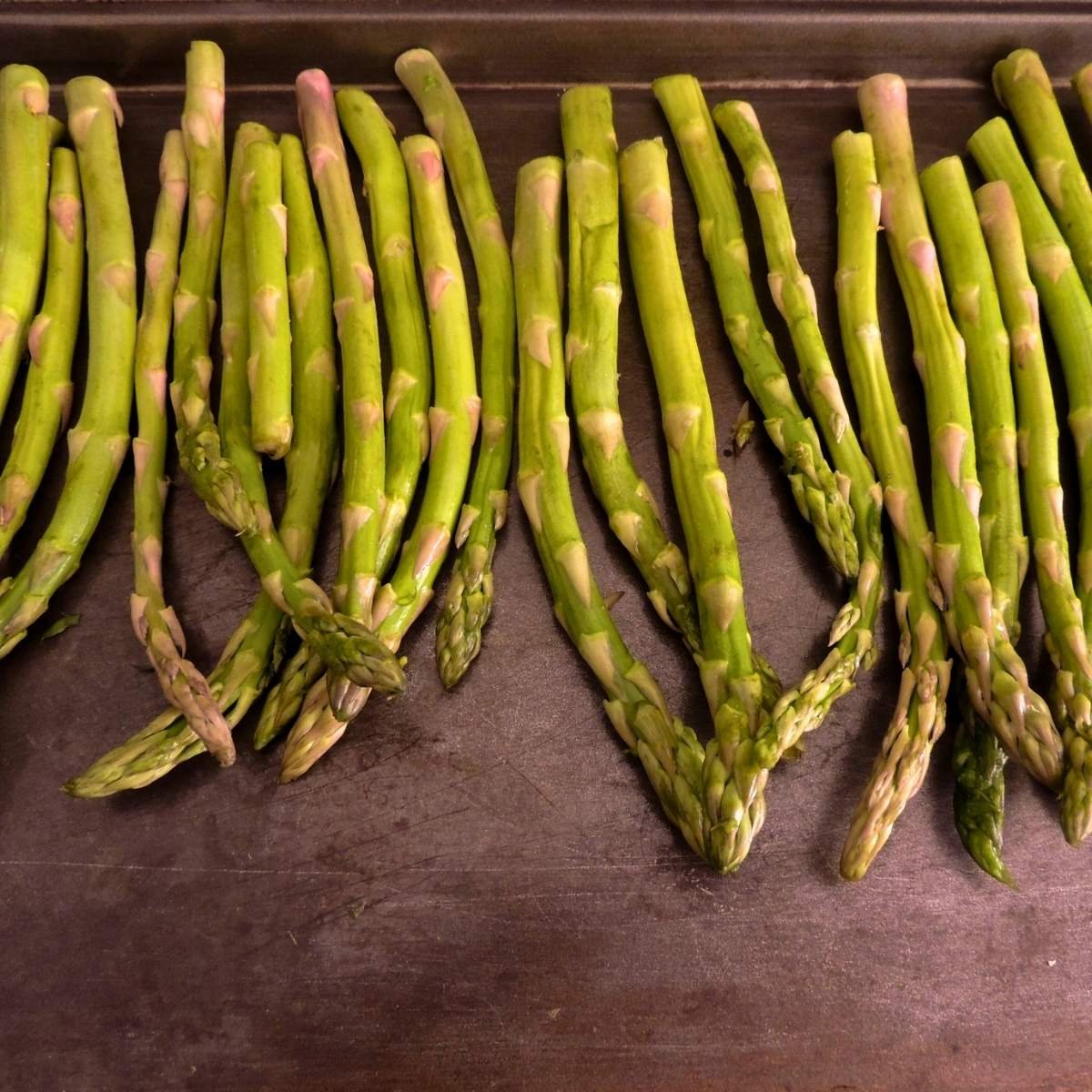
Dominican roasted asparagus with garlic mojo starts with an honest truth: asparagus is not Dominican. It is imported. You find it at the supermercado in Santo Domingo, not at a colmado. It arrived the way many ingredients arrive – through trade, through restaurants, through someone who tried it somewhere else and brought it home.
What makes this recipe Dominican is not the vegetable. It is what you do to it when you take it home.
The garlic mojo – olive oil, naranja agria, minced garlic, fresh cilantro – is the same flavor base that goes on pollo asado, on tostones, on yuca hervida. It is the Dominican finishing move that makes everything taste like it came from a kitchen that
knows what it is doing. Poured over hot roasted asparagus straight from the oven, it releases the garlic and citrus aromatics into the pan juices immediately.
The asparagus is the vehicle. The mojo is the recipe.
Gaila | AFPA Certified Holistic Nutritionist | Dominican Cook
Table of Contents
Why You’ll Love This Dominican Roasted Asparagus with Garlic Mojo Recipe
- The garlic mojo finish is what separates this from every other roasted asparagus recipe – olive oil, naranja agria, garlic, and cilantro poured over hot asparagus releases the aromatics immediately and coats every spear
- 20 minutes including oven preheat – this is the side dish that requires no planning and makes everything else on the table look more intentional
- The lime zest finish immediately after pulling from the oven awakens the citrus oils before they can volatilize – the difference between zesting over cold asparagus and hot asparagus is the difference between flavor and background
- Works alongside any Dominican main – carne guisada, pollo asado, pinchos de dorado, churrasco. The mojo connects to the same flavor base as wasakaka and sofrito
- One pan, one bowl for the mojo, done
Why Dominican Roasted Asparagus Works After 45
Asparagus is one of the most nutrient-dense vegetables available per calorie. The USDA FoodData Central confirms that one cup of cooked asparagus provides folate, vitamin K, vitamin C, and inulin – a prebiotic fiber that feeds beneficial gut bacteria. For women over 45, folate remains important for cardiovascular health, and vitamin K supports bone density, which the National Institutes of Health identifies as a key concern during and after menopause.
The garlic in the mojo provides allicin, a compound the Mayo Clinic notes has been studied for its potential anti-inflammatory and cardiovascular-protective properties. Used raw in the mojo and poured over hot asparagus, the allicin remains more active than if cooked directly.
Naranja agria in the mojo contributes vitamin C and hesperidin – a flavonoid the Cleveland Clinic confirms supports iron absorption and immune function. Pouring the mojo over hot asparagus releases the citrus compounds into the cooking juices, which become the sauce.
At 33 calories per serving, this side dish adds flavor, nutrients, and visual impact to any plate without requiring any adjustment to the rest of the meal.
Ingredients
- 1 lb approx. 450g green asparagus, trimmed
- 1 tbsp extra virgin olive oil
- Salt and black pepper to taste
- Zest and juice of ½ green lime
For the garlic mojo:
- 3 tbsp extra virgin olive oil
- 3 garlic cloves very finely minced or pressed
- 2 tbsp naranja agria sour orange juice – or 1 tbsp lime + 1 tbsp orange juice
- 2 tbsp fresh cilantro finely chopped
- Pinch of salt
Instructions
- Preheat oven to 180C (350F). Arrange asparagus in a single layer on a baking sheet. Drizzle with olive oil, season with salt and pepper. Toss gently to coat.
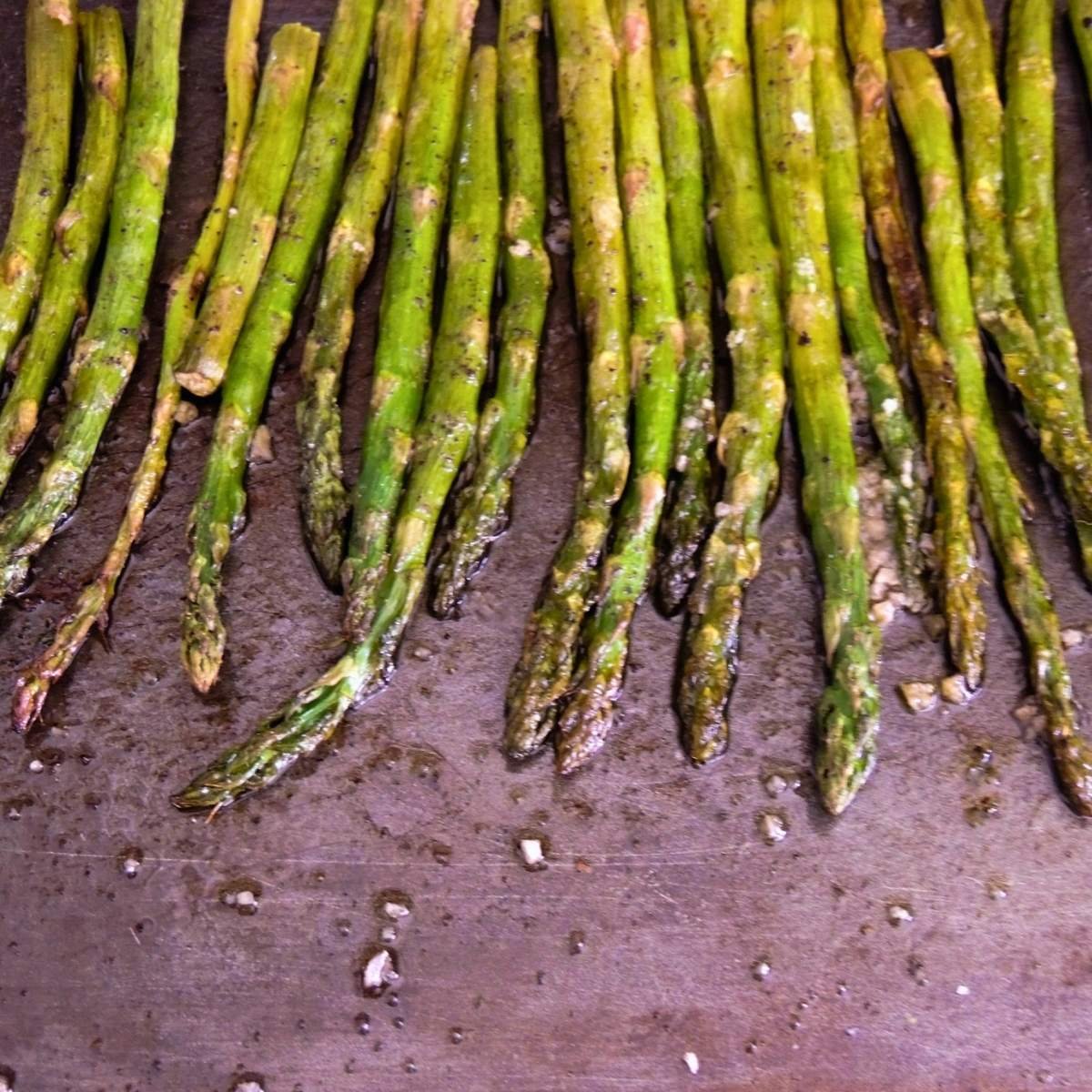
- Roast 15-18 minutes until stalks are tender-crisp and tips are lightly golden. Do not overcrowd – space them so the heat circulates.
- While asparagus roasts, make the mojo: combine olive oil, minced garlic, naranja agria, and cilantro in a small bowl. Season with a pinch of salt. Let sit while the asparagus finishes so the garlic softens slightly in the acid.
- Finish: immediately upon removing asparagus from the oven, zest the lime directly over the hot spears. Pour the garlic mojo over the asparagus while still in the pan. Toss gently to coat. The heat from the asparagus releases the mojo aromatics immediately.
- Transfer to a serving plate. Finish with a squeeze of lime juice. Serve immediately.
Notes
Nutrition
Nutritionist Note
As an AFPA Certified Holistic Nutritionist, asparagus is the vegetable I recommend most often when women ask me what to add to the Dominican dinner plate for more fiber without adding carbohydrates.
It pairs with everything – carne guisada, pollo asado, churrasco, pinchos, puerco asado. The garlic mojo connects it to the Dominican flavor language without requiring any adaptation. And at 33 calories per serving for the asparagus alone, it adds volume, color, nutrients, and flavor to a plate without requiring any adjustment to the protein or the main dish.
The inulin in asparagus is a prebiotic fiber that specifically feeds Bifidobacterium and Lactobacillus – the beneficial gut bacteria the National Institutes of Health (https://www.ncbi.nlm.nih.gov/pmc/articles/PMC5390821/) identifies as important for estrogen metabolism and gut health during and after menopause. For women managing the hormonal transition of midlife, prebiotic-rich vegetables are not just healthy – they are functional.
For bariatric patients, asparagus is appropriate from the soft food phase onward when well-roasted to a tender-crisp texture. The thin spears are easier to eat than thick ones. Skip the tough ends.
Smart Swaps
Air fryer version: cook at 375F for 8-10 minutes, shaking once halfway. The tips get crispier than in the oven. Add the mojo and lime zest immediately after.
No naranja agria: replace with 1 tablespoon of lime juice plus 1 tablespoon of orange juice. The combination approximates the bitter-sweet balance of sour orange.
Higher protein: toss the roasted asparagus with 2 tablespoons of Parmesan before serving. Adds 4g protein and a savory, salty note that works well with the garlic mojo.
Wasakaka variation: replace the mojo with the wasakaka sauce from the Dominican Pollo al Carbón recipe. Both sauces are garlic and citrus based – the wasakaka is slightly thicker and has a more complex herb profile.
Frequently Asked Questions
Does asparagus grow in the Dominican Republic? Yes. In Constanza – the mountain valley in the Cordillera Central at approximately 1,200 meters above sea level – the cool temperatures allow asparagus and other temperate vegetables to grow. Constanza is also the source of Fresas de Constanza (Dominican strawberries), garlic, and several other vegetables not typically associated with tropical agriculture.
What is garlic mojo in Dominican cooking? Mojo is a Dominican garlic sauce made with olive oil, garlic, naranja agria or lime, and herbs. It is used as a finishing sauce, a marinade, and a condiment across Dominican cooking – most famously in the wasakaka sauce for pollo al carbón. This simpler version – olive oil, garlic, naranja agria, cilantro – is the everyday Dominican mojo that goes on vegetables, fish, and grilled proteins.
How do I know when asparagus is properly roasted? The asparagus is ready when the stalks are tender when pierced with a fork but still have slight resistance – what cooks call tender-crisp. The tips should be slightly golden and beginning to char at the very ends. Overcooked asparagus loses its bright green color and becomes limp and gray. Undercooked asparagus squeaks when you bite it. The window between the two is about 3-4 minutes in a 350F oven.
Try these next:
- Low-Carb Dominican Pastelón – Easy Cauliflower Casserole with 29g Protein
- Pollo Asado Dominicano with Avocado Salsa
- Delicious Low-carb chicken nuggets
- Hard-Boiled Eggs Guisados en Escabeche
Con Fuerza y Sazón,
Gaila
AFPA Certified Nutritionist, Dominican Cook, Bariatric Patient
Did you make this recipe? I want to see your plate! Tag @strengthandsazon and use #StrengthAndSazon so I can share your creation with our whole community 🇩🇴
If you love this kind of cooking, the 5 High-Protein Dominican Bowls guide takes the same approach to five classic dishes.
Let’s stay connected: