
This moro de guandules con coco is not negotiable on Noche Buena. Nobody debates whether to make it. It is simply there, the way the family is simply there. You do not negotiate its presence. You negotiate whose version is the correct one. The smell tells you before anything else. Sofrito hitting olive oil in the caldero, the pigeon peas folding in, the coconut milk going in and turning everything a soft ivory before the rice absorbs it all. If you grew up in a Dominican household, that smell is Christmas Eve. It does not require explanation.
This version is built the way your grandmother built it – sofrito from scratch, homemade sazon, full-fat coconut milk, pigeon peas – with one upgrade that earns its place at a Strength & Sazón table: bone broth replaces plain water. The rice absorbs everything in the caldero, including the collagen and mineral depth the bone broth carries. The flavor is deeper. The technique is identical. The caldero method is preserved completely. This is not the protein anchor of the Noche Buena plate – the Puerco Asado and Jamon Glaseado carry that load. This is the foundation on which everything else is built on. Get it right and the whole table comes together. Gaila | AFPA Certified Holistic Nutritionist | Dominican Cook
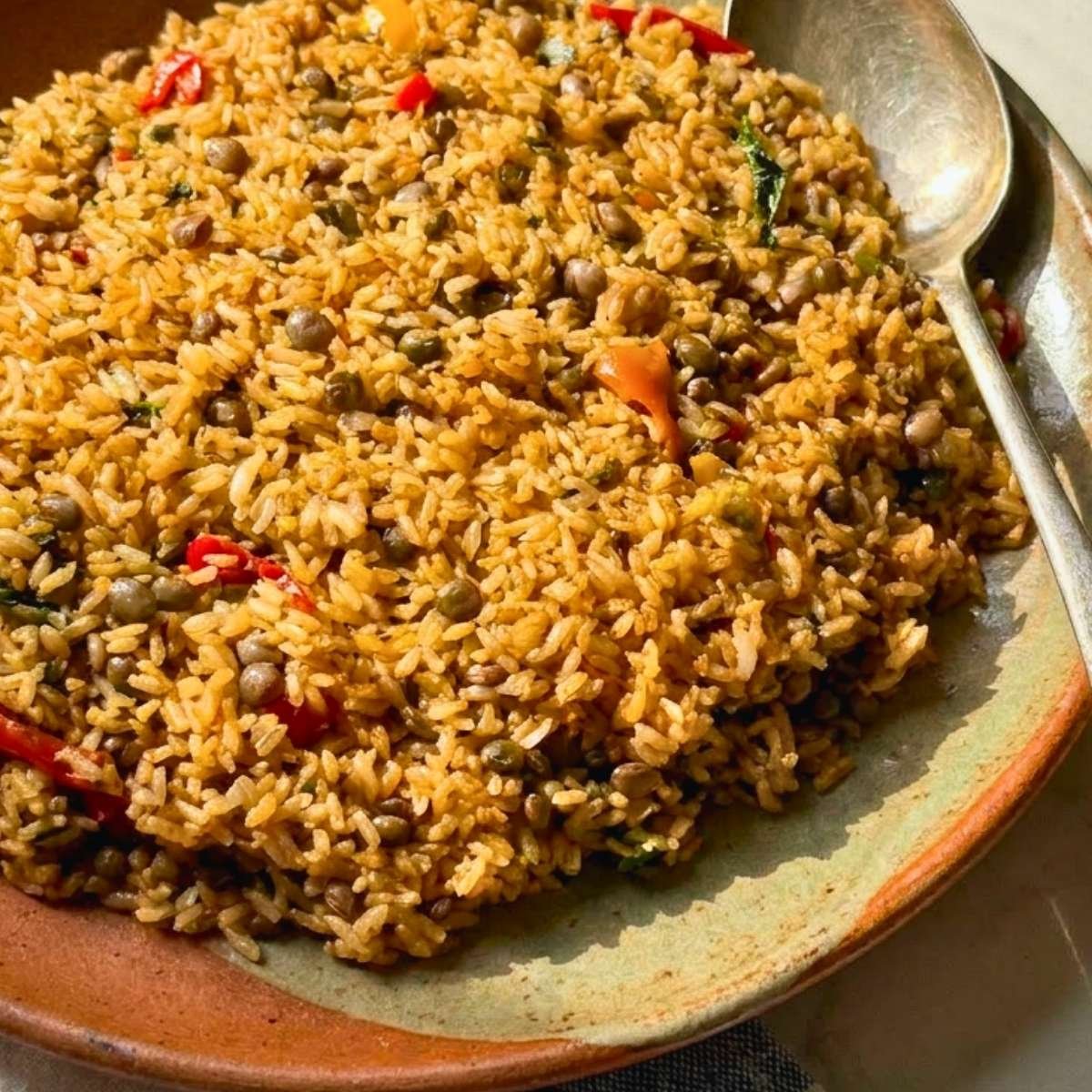
The smell tells you before anything else. Sofrito hitting olive oil in the caldero, the pigeon peas folding in, the coconut milk going in and turning everything a soft ivory before the rice absorbs it all. If you grew up in a Dominican household, that smell is Christmas Eve. It does not require explanation.
This version is built the way your grandmother built it – sofrito from scratch, homemade sazon, full-fat coconut milk, pigeon peas – with one upgrade that earns its place at a Strength & Sazon table: bone broth replaces plain water. The rice absorbs everything in the caldero, including the collagen and mineral depth the bone broth carries. The flavor is deeper. The technique is identical. The caldero method is preserved completely.
This is not the protein anchor of the Noche Buena plate – the Puerco Asado and Jamon Glaseado carry that load. This is the foundation everything else is built on. Get it right and the whole table comes together.
Nutritionist Note
As an AFPA Certified Holistic Nutritionist, moro de guandules con coco is one of the dishes I never ask my clients to remove from their plates. It does not need to be removed. It needs to be understood. The pigeon peas provide plant protein and soluble fiber that slows glucose absorption – relevant for women managing insulin sensitivity through perimenopause. The Cleveland Clinic identifies fiber intake as one of the key dietary factors in blood sugar management and sustained energy through hormonal transition.
The coconut milk provides healthy fats that support absorption of the fat-soluble vitamins in the sofrito ingredients – beta-carotene from the auyama, vitamin K from the cilantro and culantro. Do not substitute with water-based alternatives and expect the same result nutritionally or texturally. For bariatric patients in the maintenance phase, one serving of moro de guandules is appropriate as the complex carbohydrate portion of the meal. The American Society for Metabolic and Bariatric Surgery recommends pairing complex carbohydrates with a lean protein source – which is exactly how this dish functions on the Noche Buena table next to the Puerco Asado. Portion one cup per serving. Eat the pegao if you get it. That is the most prized part of the pot for a reason.
Smart Swaps
- Lower carb: Replace half the rice with cauliflower rice. Add the cauliflower rice off the heat once the white rice is fully cooked – stir it in, cover for 3 minutes, and serve. You keep the authentic flavor while cutting carbohydrates significantly.
- Higher protein: Stir 1.5 cups of shredded cooked chicken breast into the moro with the pigeon peas before the steam phase. This adds 25g of protein per serving and turns a side dish into a complete one-pot meal. This is the version I make when the whole meal needs to come from one pot.
- Dairy-free and coconut-free: Replace coconut milk with an equal amount of additional bone broth. The moro will be less rich but still deeply flavored from the sofrito and the pigeon peas. Finish with a generous drizzle of olive oil to compensate for the lost fat. **Lower sodium:
- Use homemade sofrito with no added salt, low-sodium bone broth, and rinse the canned pigeon peas twice before using. The olives are optional – skip them if you are managing sodium carefully.
- Bariatric soft food and general diet phases:
- Moro de guandules is appropriate from the general diet phase onward. Serve a half-cup portion alongside a full protein main. For the soft food phase, blend a small portion of the cooked moro with extra broth until smooth – the pigeon peas puree beautifully and the coconut-sofrito flavor holds completely.
- Faster version: Use a rice cooker. Build the sofrito base on the stovetop, transfer to the rice cooker with all remaining ingredients, and use the white rice setting. The result is not identical to the caldero but it is 90% of the way there with zero supervision required.
Table of Contents
Protein Score
Base protein: 6g per serving | Tier: Balanced
Moro de guandules is not a protein driver – it is the cultural anchor of the Noche Buena table and it earns its place there. The pigeon peas contribute approximately 5-6g of plant protein per serving along with significant fiber, iron, and folate. This is the dish that holds the plate together while the Puerco Asado and Jamon Glaseado carry the protein load. Build your plate with the moro as the complex carbohydrate foundation and let the main proteins do their job alongside it.
Protein Boost Options
This is a side dish and it is meant to function as one. These options add protein without changing the character of the moro:
- Stir 1/2 cup shredded poached chicken thigh into the rice with the pigeon peas before the steam phase – adds 18g protein per serving and turns this into a one-pot meal
- Serve alongside a full portion of High-Protein Puerco Asado – the combined plate delivers 48g protein total
- Add 1/4 cup hemp seeds off the heat just before serving – adds 10g plant protein per serving with no flavor impact
- A side of two hard-boiled eggs adds 12g protein and costs nothing in kitchen time on a day when every burner is occupied.
Why Moro de Guandules con Coco Works at Every Table
Pigeon peas are one of the most nutritionally complete legumes in the Dominican pantry. The USDA FoodData Central confirms that one cup of cooked pigeon peas provides 11g of plant protein, 11g of dietary fiber, and significant amounts of iron and folate – two micronutrients women over 45 are frequently deficient in. The coconut milk in this moro contributes medium-chain triglycerides, a form of fat the Mayo Clinic notes is metabolized more directly for energy than long-chain saturated fats.
Full-fat coconut milk is the correct choice here – light versions change the texture and the flavor in a way that is immediately noticeable. Replacing plain water with bone broth adds collagen peptides to the cooking liquid. The rice absorbs all of it. According to research published by the National Institutes of Health, collagen supplementation supports joint health. It may help reduce inflammation, relevant for women experiencing the joint changes associated with estrogen decline after 45. This is a side dish that does real nutritional work while tasting exactly like Christmas Eve. That is the Strength & Sazón standard.
Moro de Guandules con Coco – Dominican Christmas Rice
Ingredients
- 2 cups long-grain white rice rinsed until water runs clear
- 1 can 15oz pigeon peas (guandules), drained and rinsed – or 1.5 cups cooked from dry
- 1 can 13.5oz full-fat coconut milk
- 1.5 cups chicken bone broth
- 3 tbsp homemade sofrito cubanelle + garlic + red onion + cilantro + bija + oregano blended
- 2 tbsp olive oil
- 3 garlic cloves minced
- 1/4 cup red onion finely chopped
- 1/4 cup cubanelle pepper finely chopped
- 2 tbsp fresh cilantro chopped (plus more to finish)
- 1 tsp homemade sazon cumin + coriander + turmeric + garlic powder + oregano
- 1 tsp fine sea salt
- 1/2 tsp black pepper
- 6 green olives whole (optional but traditional)
- 1 tbsp apple cider vinegar
Instructions
- Build the sofrito base: heat olive oil in a heavy-bottomed caldero or Dutch oven over medium heat. Add onion and cubanelle pepper and cook 3-4 minutes until softened. Add minced garlic and cook 1 minute more. Add the 3 tbsp sofrito and cook, stirring, 2 minutes until fragrant and slightly darkened.
- Season the base: add sazon, salt, pepper, and apple cider vinegar to the sofrito. Stir to combine. The smell at this point should be unmistakably Dominican.
- Add pigeon peas: add the drained guandules to the pot and stir to coat in the sofrito. Cook 2 minutes.
- Add liquids: pour in the coconut milk and bone broth. Add olives if using. Stir everything together and bring to a boil over medium-high heat.
- Add rice: once boiling, add the rinsed rice and stir once to distribute evenly. Cook uncovered over medium-high heat, stirring occasionally, until the liquid is absorbed to the level of the rice – you will see the surface of the rice when the liquid is at the right level. This takes approximately 8-10 minutes. Do not over-stir.
- Steam finish: reduce heat to lowest setting. Cover the pot tightly with a lid or with aluminum foil pressed directly onto the pot before adding the lid for a tighter seal. Cook 18-20 minutes without lifting the lid.
- Rest and fluff: remove from heat and let rest covered 5 minutes. Remove lid, add fresh cilantro, and fluff gently with a fork from the bottom up. Taste and adjust salt.
- Serve immediately alongside Puerco Asado or Glazed Ham.
Nutrition
Texture Tips
- The liquid ratio is slightly richer here because coconut milk is thicker than water. If your moro comes out slightly wet, leave the lid off 3-4 minutes over the lowest heat to evaporate the excess.
- Rinse the rice until the water runs completely clear – this removes surface starch that causes clumping. Do not skip this step. The texture of the finished moro depends on it.
- The caldero or Dutch oven matters more than most cooks admit. A thin-bottomed pot creates hot spots that burn the bottom layer before the top is cooked. A heavy caldero distributes heat evenly and gives you the pegao – the slightly caramelized bottom layer that is the most prized part of the pot.
- The foil-under-the-lid technique creates a tighter steam seal. This is the difference between fluffy individual grains and a gummy, undercooked top layer.
- Do not lift the lid during the 18-20 minute steam phase. Every lift releases the steam cooking the top layer. Set a timer and leave it alone.
- The liquid ratio is slightly richer here because coconut milk is thicker than water. If your moro comes out slightly wet, leave the lid off 3-4 minutes over the lowest heat to evaporate the excess.
Meal Prep How-To
- Moro reheats beautifully and many Dominicans argue it tastes better on day two when the flavors have deepened.
- Make a full batch on Christmas Eve – it holds in the refrigerator for 4 days and reheats in a covered skillet with a splash of bone broth over low heat in 5 minutes.
- For batch cooking outside the holidays: moro de guandules freezes exceptionally well. Portion into single-serving containers and freeze up to 3 months. Reheat from frozen in a covered skillet with 2 tbsp bone broth over low-medium heat 8-10 minutes.
- Bariatric portioning: 1/3 cup moro de guandules is approximately 5g protein and 14g carbs – a manageable holiday portion that keeps the cultural experience intact without volume stress. Pair with 2oz sliced Puerco Asado for a complete bariatric Noche Buena plate under 300 calories.
Storage Tips
Refrigerator: an airtight container up to 4 days. Reheat in a covered skillet with a splash of bone broth – not in the microwave, which dries it out unevenly.
Freezer: portion into single-serving containers up to 3 months. Label with date. Thaw overnight in the refrigerator or reheat directly from frozen as noted above.
Do not store at room temperature longer than 2 hours – rice is one of the foods most prone to bacterial growth when left out.
Frequently Asked Questions
- What is moro de guandules con coco? Moro de guandules con coco is the Dominican Christmas rice – long-grain white rice cooked together with pigeon peas, homemade sofrito, and full-fat coconut milk in a traditional caldero. It is the most essential side dish on the Dominican Noche Buena table, served alongside Puerco Asado and Jamon Glaseado. The coconut milk gives this moro its signature creamy, ivory color and a depth of flavor that no other liquid can replicate.
- What is the difference between moro and arroz con habichuelas? In arroz con habichuelas, the rice and beans are cooked in separate pots and served side by side. In moro, the beans or legumes cook together with the rice from the beginning. The pigeon peas flavor and color the entire dish. Moro is always one pot. The flavor is more integrated and deeper than the separate version.
- Can I use canned pigeon peas for moro de guandules? Yes. Rinse them well before using. Canned pigeon peas work perfectly for moro de guandules con coco. If using dried pigeon peas, soak overnight and boil until tender before starting the recipe, and use the cooking liquid in place of half the bone broth for even deeper flavor.
- What coconut milk is best for this moro? Full-fat canned coconut milk, not light and not the carton variety sold for drinking. The fat content is what creates the characteristic texture and richness of this moro de guandules con coco. Light coconut milk produces a thinner, less flavorful result.
- Can I make moro de guandules ahead of time? Yes. Moro reheats well with a splash of water or broth in a covered pot over low heat. It is actually better the next day when the flavors have settled. Stores covered in the refrigerator up to 4 days.
- Is moro de guandules gluten-free? Yes. This moro de guandules con coco is naturally gluten-free and dairy-free as written. Verify your canned pigeon peas and bone broth labels if you have celiac disease or a severe gluten sensitivity.
Try These Next
- High-Protein Puerco Asado – the only main dish that belongs beside this rice on Noche Buena. Build the complete plate.
- Jamon Glaseado with Pineapple-Mustard Allulose Glaze – the second centerpiece of the Dominican Christmas table. This moro belongs beside that ham too.
- Shrimp Asopao – another Dominican rice dish built for Strength & Sazon, this one with shrimp and bone broth as the base. 38g protein, one pot.
The smell of sofrito hitting olive oil, the coconut milk turning the pot ivory, the caldero doing exactly what it was designed to do. That is Christmas Eve in a Dominican kitchen.
Make this the night before so you know exactly what it will taste like. Then make it again on Noche Buena and let it be the signal that the celebration has started.
Si hiciste este moro en tu Noche Buena o en cualquier otra noche, dale 5 estrellas en la tarjeta de receta arriba. Me ayuda más de lo que crees.
A buen tiempo.
Con Fuerza y Sazón,
Gaila
AFPA Certified Nutritionist, Dominican Cook, Bariatric Patient
Did you make this recipe? I want to see your plate! Tag @strengthandsazon and use #StrengthAndSazon so I can share your creation with our whole community 🇩🇴
Want more high-protein Latin recipes? Grab your free recipe guide and explore everything at strengthandsazon.com
Let’s stay connected: