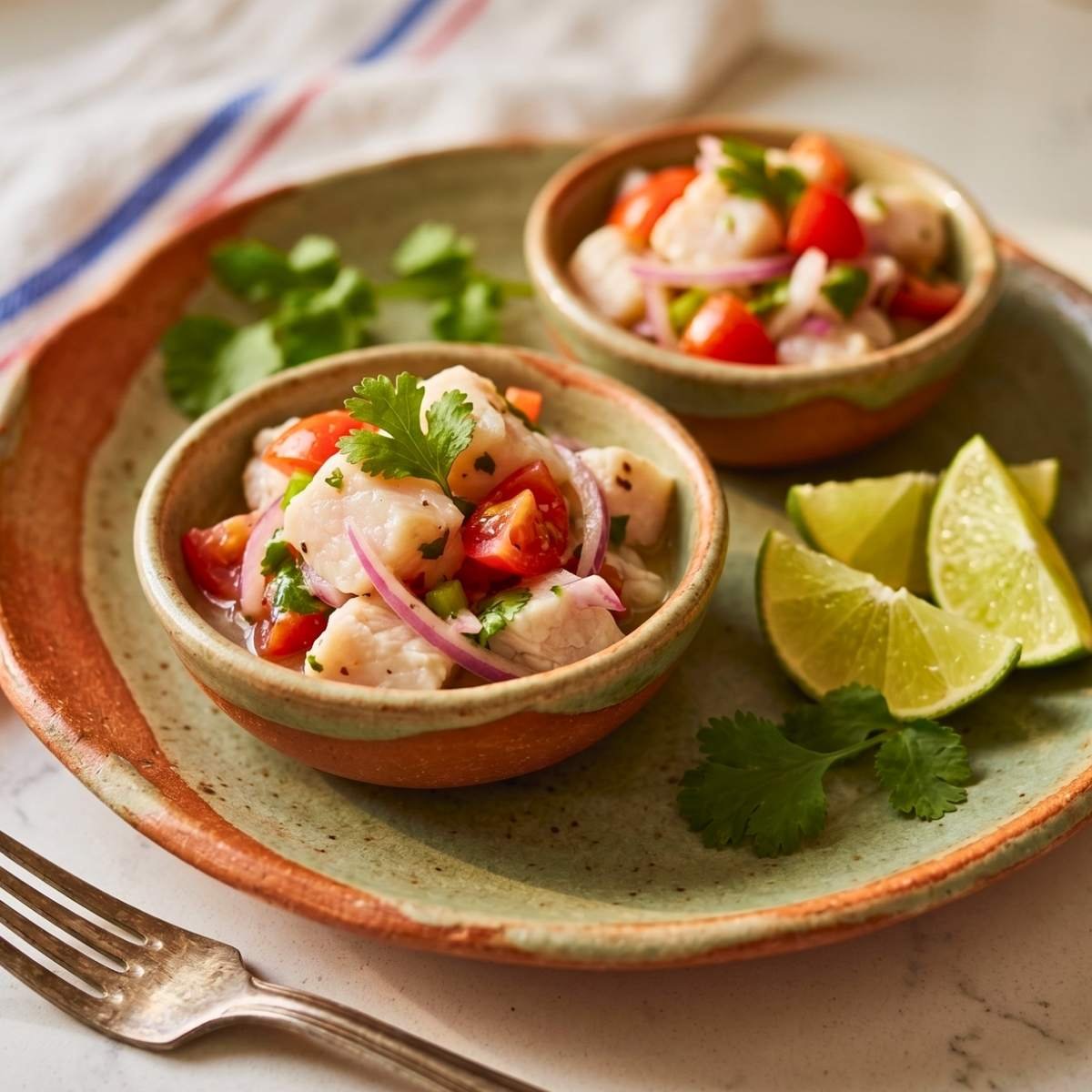
This Dominican Fish Ceviche with Naranja Agria is not Peruvian ceviche. It is not Mexican ceviche. It is the coastal Dominican version that uses sour orange - naranja agria - as the primary acid instead of lime alone, and it is significantly different from both.
Naranja agria is the bitter orange that grows throughout the Dominican Republic and the Caribbean. It is what goes into the wasakaka. It is what marinates the pollo asado.
It is the acid that has been in Dominican cooking since before any of us were born. In a ceviche, it does something lime cannot fully replicate - the citrus is deeper, more bitter, more complex. The fish does not just cure in it. It transforms.
I make this with dorado (mahi-mahi) when the fish market has it fresh. When the dorado is not there, mero (grouper) or fresh tuna work equally well. The rule is always the same: the fish must be fresh, cut in small cubes, and the naranja agria must be enough to fully submerge the pieces.
Red onion, ají caballero, fresh cilantro, tomato, and mariquitas (thinly sliced fried green plantain chips) on the side. Serve cold, immediately after the cure is complete.
This is Dominican coastal food. No substitutions for the soul of it.
Gaila | AFPA Certified Holistic Nutritionist | Dominican Cook
Table of Contents
Protein Boost Options
- Add ½ avocado diced per serving - adds 1g protein and healthy monounsaturated fat that balances the acidity of the naranja agria
- Add ½ cup of cooked shrimp to the ceviche 15 minutes before serving - adds 12g protein and creates a mixed seafood version
- Serve with a side of Greek yogurt mixed with lime and cilantro instead of sour cream - adds 6g protein
- Use fresh tuna (atún) as the protein - tuna provides slightly more protein than mahi-mahi and has a richer flavor that works beautifully with the naranja agria cure
Why Dominican Fish Ceviche Works After 45
White fish is one of the most protein-efficient foods available. The USDA FoodData Central confirms that mahi-mahi provides 20g of complete protein per 4oz serving at under 100 calories - an exceptional protein-to-calorie ratio that makes it one of the best choices for women managing caloric intake while prioritizing muscle maintenance after 45.
The naranja agria cure does not cook the fish with heat - it denatures the proteins using acid, a process the Mayo Clinic notes produces a firm, opaque texture without the nutrient loss that heat cooking can cause. This preserves the omega-3 fatty acids in the fish more fully than most cooking methods.
The red onion in Dominican ceviche provides quercetin - a flavonoid the National Institutes of Health has studied for its anti-inflammatory and antioxidant properties. Combined with the vitamin C from the naranja agria and cilantro, this ceviche delivers nutritional benefits that go well beyond the protein count.
Ají caballero is the Dominican hot pepper - significantly hotter than cubanelle but used sparingly for heat and flavor. Capsaicin, its active compound, has been studied by the Cleveland Clinic for its potential metabolic and anti-inflammatory effects. One small piece of ají caballero per serving is enough to activate those benefits without overwhelming the dish.
Why You'll Love This Dominican Fish Ceviche with Naranja Agria Recipe
- Naranja agria, instead of lime alone, produces a ceviche that is deeper, more bitter, and more complex - the difference is immediately noticeable and completely Dominican
- Three fish options - dorado, mero, and atún - mean this recipe adapts to whatever is fresh at your fish market that day. The technique is the same, the flavor profile stays consistent
- No cooking equipment needed beyond a knife and a bowl - this is the recipe for a hot day when you do not want to turn on the stove
- Mariquitas on the side are the correct Dominican accompaniment - thin sliced green plantain chips that you use to scoop the ceviche, which is how people eat it on the coast
- Ready in 20-30 minutes of cure time - not the hours-long versions that require planning. The smaller the fish cubes, the faster and more evenly the acid works
- Naturally gluten-free, naturally low-carb, naturally high-protein
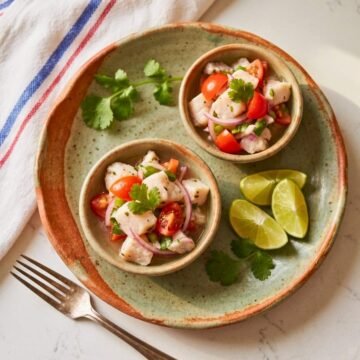
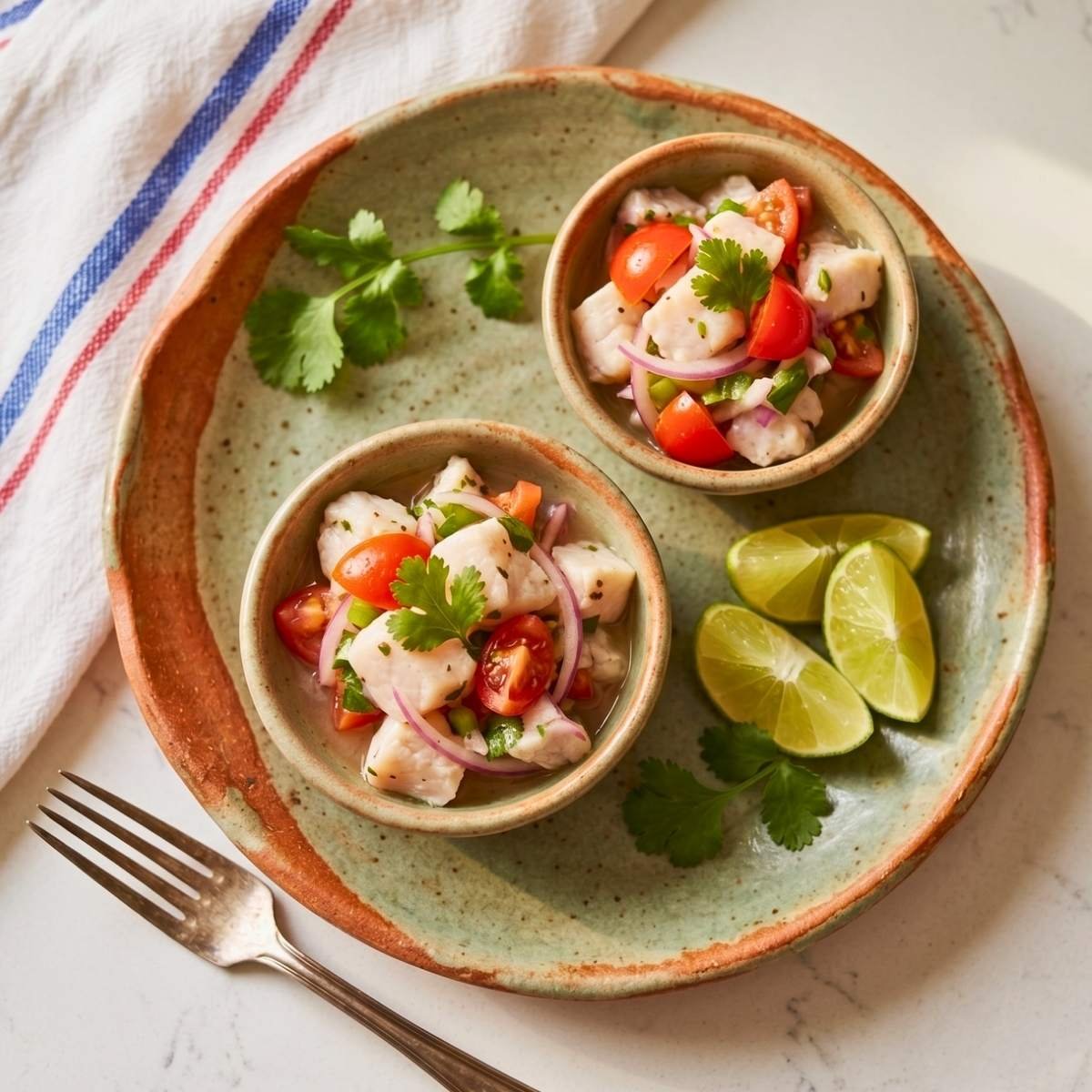
Dominican Fish Ceviche with Naranja Agria
Ingredients
- 1 lb fresh mahi-mahi dorado, grouper (mero), or fresh tuna, cut into ½-inch cubes
- ½ cup naranja agria sour orange juice - or ⅓ cup lime juice + 2 tablespoon orange juice as substitute
- ½ red onion thinly sliced
- 1 small tomato diced small
- 1 ají caballero or ½ jalapeño, finely minced - adjust to heat preference
- ½ cup fresh cilantro roughly chopped
- 1 teaspoon olive oil
- Salt to taste
To serve:
- Mariquitas thinly sliced fried green plantain chips
- Avocado slices
- Extra lime wedges
- Additional cilantro
Instructions
- Cure the fish: place fish cubes in a non-reactive bowl (glass or ceramic, never metal). Pour naranja agria over the fish - it should nearly submerge the pieces. Add a pinch of salt. Toss gently.
- Cure time: refrigerate for 20-25 minutes for mahi-mahi and grouper, 15 minutes for fresh tuna. The fish is ready when the outside is opaque and the inside still has a slightly translucent center. Do not over-cure.
- Drain slightly: pour off about half the curing liquid. The remaining liquid becomes the leche de tigre - the sauce that stays in the bowl.
- Add the vegetables: fold in red onion, tomato, ají caballero, and cilantro. Add olive oil. Toss gently. Taste for salt.
- Serve immediately: divide into 4 glasses or shallow bowls. Serve with mariquitas on the side, avocado slices, and extra lime wedges.
Notes
Nutrition
Nutritionist Note
As an AFPA Certified Holistic Nutritionist, I recommend ceviche as the recipe for women who want maximum protein with minimal calories without turning on the stove.
Fresh white fish cured in naranja agria preserves the omega-3 fatty acids and water-soluble vitamins that heat cooking can reduce.
The acid cure denatures the proteins without heat, producing a firm texture that is easy to eat and digest. For women managing appetite, blood sugar, and protein targets simultaneously, a glass of Dominican ceviche before a meal - or as the meal itself - is one of the most effective interventions I know.
The naranja agria is more than flavor. The bitter orange contains hesperidin and naringenin, flavonoids that the National Institutes of Health has studied for their antioxidant and anti-inflammatory properties.
Every time you use naranja agria in Dominican cooking, you are using a functional food that your grandmother used without knowing the science behind it.
For bariatric patients, consult your surgical team before consuming raw or acid-cured fish. For the general diet and maintenance phases, ceviche is an excellent high-protein, soft-textured option.
The acid-cured fish is easy to eat and requires minimal chewing compared to grilled or roasted proteins.
Smart Swaps
No naranja agria: use ⅓ cup fresh lime juice plus 2 tablespoons of orange juice. The combination approximates the bitter-sweet-sour balance of naranja agria. It is not identical but it is the closest substitute available.
Shrimp ceviche: replace all or half the fish with raw shrimp, deveined and cut in half. Shrimp cures faster - 10-12 minutes in the naranja agria. The pink color when cured, is the visual indicator it is ready.
No heat: skip the ají caballero entirely. The ceviche is still fully Dominican without the heat. Add extra cilantro and a pinch of smoked paprika for complexity.
Lower sodium: skip the added salt and let the natural sodium from the naranja agria and fish carry the dish. Serve with unsalted mariquitas.
Tuna version: fresh atún (tuna) needs only 12-15 minutes of cure time and produces the richest flavor of the three options. Cut smaller cubes (¼ inch) for even curing.
FAQ
What is naranja agria? Naranja agria is sour orange or bitter orange - a citrus fruit with a thick, fragrant peel and intensely sour juice that is less sweet than regular orange juice and more complex than lime.
It is used throughout Dominican cooking as a marinade, a sauce base, and a curing acid. If you cannot find naranja agria at a Caribbean or Latin grocery store, substitute ⅓ cup lime juice plus 2 tablespoons of orange juice.
Is Dominican fish ceviche the same as Peruvian ceviche? No. Peruvian ceviche uses fresh lime juice, has a specific leche de tigre technique, and uses ají amarillo or rocoto peppers. Dominican ceviche uses naranja agria as the primary acid and ají caballero for heat.
The cure time, flavor profile, and cultural context are completely different. Both are exceptional. This recipe is specifically Dominican.
How do I know when the ceviche is ready? The fish is ready when the exterior is opaque and white but the interior still has a faint translucent center - typically 20-25 minutes for mahi-mahi and grouper, 15 minutes for fresh tuna. Over-cured ceviche becomes rubbery and loses its texture. Check a piece at 15 minutes and adjust.
Can I use frozen fish for ceviche? Not recommended for this Dominican ceviche. The texture of previously frozen fish changes significantly after the acid cure - it tends to become grainy and fall apart. Fresh fish is essential for ceviche. Buy it the same day you plan to make it.
Is this ceviche safe to eat? Acid-cured ceviche made with fresh, sushi-quality fish is traditionally considered safe. The naranja agria or lime juice denatures the surface proteins of the fish.
However, the FDA recommends that pregnant women, the elderly, and immunocompromised individuals avoid raw or acid-cured fish. Consult your doctor if you have concerns.
If this hits the spot, drop a comment below or tag me @strengthandsazon on Instagram. I want to see your version. And if you want recipes like this in your inbox each week, join the newsletter.
Try these next:
- Dominican Stuffed Cabbage Rolls (Niños Envueltos) - Heritage Recipe, 43g Protein
- Low-Carb Dominican Pastelón - Easy Cauliflower Casserole with 29g Protein
- Pollo Asado Dominicano with Avocado Salsa
- Delicious Low-carb chicken nuggets
- High-Protein Arroz con Leche - 21g Protein, The Dominican Comfort Dessert Rebuilt
Con Fuerza y Sazón,
Gaila
AFPA Certified Nutritionist, Dominican Cook, Bariatric Patient
Did you make this recipe? I want to see your plate! Tag @strengthandsazon and use #StrengthAndSazon so I can share your creation with our whole community 🇩🇴
If you love this kind of cooking, the 5 High-Protein Dominican Bowls guide takes the same approach to five classic dishes.
Let's stay connected: